The Best Comfort Plates at a Southern Restaurant
@andreszkgp688
November 4, 2026 · 16 min read
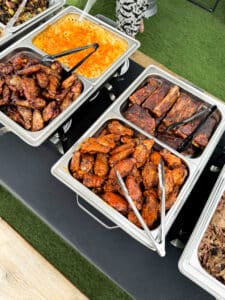
Walk into a good Southern restaurant at the right hour, and you can tell what kind of meal you are about to have before anyone sets down a menu. You smell the stock simmering somewhere in back. You catch butter on hot griddles, pepper in gravy, the sweet edge of onions going soft in a skillet. The room has its own clues too: families splitting pies, regulars asking whether the greens are turnip or collard today, someone at the counter weighing fried chicken against country-fried steak like it is a serious civic duty.
Comfort food gets talked about loosely, often reduced to anything warm, rich, or nostalgic. In the South, the idea is more exact than that. A true comfort plate does not just fill you up. It steadies you. It has balance, even when it looks indulgent. Salt, smoke, starch, acidity, heat, and softness all matter. So does memory. The best plates feel familiar even on a first visit because they rely on old kitchen logic: use the whole bird, cook beans low and slow, build gravies from real drippings, never serve a biscuit that tastes like an afterthought.
At a Southern restaurant worth returning to, the standout dishes are rarely the flashiest ones. They are the plates that arrive without explanation and need none. Here are the comfort plates that best define the category, and what separates a merely heavy meal from one that feels deeply, unmistakably right.
Fried chicken with two sides, still the standard
If a Southern restaurant serves fried chicken, that plate becomes an immediate test of the kitchen. Not because fried chicken is difficult in some theatrical way, but because it exposes shortcuts faster than almost anything else. The crust tells you whether the cooks understand seasoning and temperature. The meat tells you whether they respect time. The sides tell you whether they are trying to coast on the reputation of the main event.
Great fried chicken should arrive hot enough that the crust still crackles when you cut into it. The coating should cling to the bird rather than slide off in one shell. I want seasoning in the flour and in the chicken itself, which usually means a proper brine or at least enough salt well before frying. Black pepper matters. Paprika can help. Cayenne, if used, should stay in the background. The goal is not heat for its own sake. It is depth.
The breast is often where mediocre versions fail. Too many kitchens fry all pieces by the same clock and hope for the best. Dark meat forgives a lot. White meat does not. The best houses either manage their timing carefully or are honest enough to batch intelligently. When fried chicken comes out juicy all the way through, with no greasy aftertaste and no bland interior, you are dealing with people who know what they are doing.
Sides matter more than diners sometimes admit. Fried chicken with limp green beans and gluey mashed potatoes is a half-success. Fried chicken with peppered gravy, braised greens with pot liquor, and macaroni that still tastes of sharp cheddar is a meal that earns loyalty. If the menu offers a biscuit with the plate, take it. A good biscuit catches crumbs, gravy, and whatever drips from the chicken. It is part of the architecture of the meal.
Chicken-fried steak, when the gravy is honest
Chicken-fried steak occupies a special place in Southern comfort food because it can go so wrong, so fast. At its worst, it is a thin piece of beef pounded into submission, coated badly, fried hard, then buried under pale gravy that tastes of flour and regret. At its best, it is one of the most satisfying plates in the room.
The steak itself should have some chew left. Tenderized does Southern restaurant not mean textureless. The breading should be craggy and golden, with enough substance to hold up under gravy without turning to paste. Then comes the essential part: the gravy must taste like the pan. It should carry black pepper, milk richness, and just enough salt to wake up the crust rather than drown it. A glossy white blanket with no seasoning is not comforting. It is just heavy.
What makes this plate work is contrast. Crisp coating against soft mashed potatoes. Rich gravy against something green and slightly bitter, maybe collards, maybe green beans cooked with onion and a little bacon. A slice of tomato in season can do wonders here, not because it is traditional everywhere, but because the acidity cuts through the richness.
There is also a practical reason this plate remains beloved. It feeds people well. In farming towns, small cities, and roadside diners alike, chicken-fried steak has long been a plate built for appetite and value. When done correctly, it still feels generous in the best sense. Not oversized for show, just sufficient and satisfying.
Shrimp and grits, the dish that reveals restraint
Few dishes have traveled farther from their regional roots than shrimp and grits, and that popularity has created a lot of confusion. The best version at a Southern restaurant is not the busiest one. It does not need ten garnishes, a tower of microgreens, or enough cream to mute the corn. It needs well-cooked grits, properly handled shrimp, and a sauce with backbone.
Grits are the foundation, and they should taste like corn first. That sounds obvious, yet many do not. Some kitchens rely so heavily on cheese, butter, or cream that the grains disappear completely. Richness is welcome, especially with stone-ground grits, but the base should still have identity. Texture matters too. They should be smooth without becoming baby food, loose enough to spread across the plate but not so thin that they run.
The shrimp should be cooked just to the point of firmness, no further. A minute too long and the whole plate loses its charm. This is where attention matters. Shrimp cook quickly, and in a busy service window they are easy to overdo. The best kitchens season them aggressively, often with a little smoke or spice, then build a sauce from bacon, stock, pan drippings, garlic, and maybe scallions or peppers. Lemon is often the difference between a good plate and a memorable one.
I have had shrimp and grits in white-tablecloth dining rooms and in casual lunch spots with paper napkins. The setting matters less than the judgment. A polished downtown dining room may give you local seafood and heirloom cornmeal. A humble family-run Southern restaurant may give you a bowl with deeper savor and better balance. The question is always the same: did the cook know when to stop adding things?
Smothered pork chops, the underappreciated favorite
Fried chicken gets the headlines, but smothered pork chops are often the dish regulars order when they trust the kitchen. This is not a plate for shortcuts. Pork chops can dry out. Onion gravy can turn muddy. Rice can be either the quiet hero or the bland filler. Yet when each part is handled with care, smothered chops deliver a kind of comfort that is less showy and, in many ways, more complete.
A strong version starts with chops that have enough thickness to stay juicy. They may be dredged lightly and browned before braising, or simply seared and finished in gravy. Either method works if the result is tender without tasting boiled. The gravy should be built from onions cooked far enough to sweeten but not so far that they disappear entirely. Good stock helps here. So does patience.
This plate is especially good with rice because rice welcomes gravy differently than potatoes do. Mashed potatoes absorb. Rice gathers. Every spoonful can be adjusted to your liking, more pork, more onion, more gravy, a little hot sauce if the house keeps one worth using on the table. Add cabbage or greens on the side and the whole plate starts to make sense as a complete meal rather than a protein with filler.
There is an emotional quality to smothered pork chops that is hard to fake. It feels like a Sunday dish, even when served on a Tuesday lunch special. It is soft around the edges, savory rather than flashy, and deeply dependent on knowing how to coax flavor from ordinary ingredients.
Meatloaf, if the kitchen treats it with respect
Meatloaf is easy to dismiss until you eat a truly good one. In a Southern restaurant, meatloaf often occupies that middle ground between diner staple and home-table classic. Everyone has a version in mind, which makes the restaurant version tricky. Serve it dry and dense, and it feels like cafeteria food. Overwork it with fillers and sweet glaze, and it becomes one-note. Get it right, and it can be the most grounding plate on the menu.
The best meatloaf has a tender slice that still holds together. That sounds simple, but it depends on proportion. Enough breadcrumb or cracker binder to keep moisture in, enough aromatics to give the beef character, enough seasoning to carry through each bite. Onion should be present. Pepper too. A touch of tomato in the glaze helps, but too much sugar pushes the plate toward candy.
Mashed potatoes are the natural partner, and they should be hand-mashed enough to retain some structure. Perfectly uniform puree can feel out of place here. Green beans or butter beans often round it out well. If the meatloaf comes with brown gravy, it should add savor, not cover mistakes.
I once had a lunch-plate meatloaf in a small-town Southern restaurant that was served on an oval plate with mashed potatoes, Southern restaurant lima beans, and a roll still hot from the pan. Nothing on the plate was fancy, but every element had been seasoned properly. That is what people mean when they talk about food being better in certain places. Not magic, just care repeated often enough to become habit.
Biscuits and sausage gravy, more technical than they look
There are few comfort plates more deceptively simple than biscuits and gravy. It is also one of the easiest dishes to misuse as a filler. Too often, restaurants treat it as a cheap breakfast anchor: oversized biscuits, glue-thick gravy, scattered sausage, no pepper, no finesse. But at a serious Southern restaurant, biscuits and sausage gravy can be the meal that tells you the most about the cook behind the line.
A biscuit should break open in layers or soft crags, not crumble into dry rubble. It should smell faintly of butter or shortening, depending on the house style, and it should have a browned top with a tender center. Then the gravy lands on top, and texture becomes everything. Good sausage gravy is thick enough to cling, thin enough to spread, and lively with black pepper. The sausage itself should season the gravy, not merely appear as garnish.
This dish benefits from moderation. A medium biscuit with balanced gravy will eat better than a giant one drowning in paste. Eggs on the side can help. So can sliced tomatoes, fruit, or even a sharp splash of hot sauce. But the core of the dish is flour, fat, milk, sausage, and technique. There is nowhere for mistakes to hide.
The reason this plate endures is that it is warm, inexpensive relative to many menu items, and immediately satisfying. For travelers, it often becomes a benchmark breakfast at any Southern restaurant they visit. For locals, it can be a ritual.
Pot roast and gravy, the patient plate
Pot roast rarely gets the same romantic treatment as fried chicken or shrimp and grits, but it deserves more respect than it receives. Done right, it is one of the most complete comfort meals in Southern dining. It asks for patience rather than speed, and that patience changes the entire plate.
The meat should pull apart with a fork but still taste like beef, not just gravy. Carrots, onions, and celery should have surrendered their flavor to the braising liquid while retaining enough identity to matter on the plate. The gravy should be dark, savory, and concentrated from the roast itself. If it tastes like a thickened generic stock, the whole dish falls flat.
Pot roast is especially strong in cooler weather, though good kitchens keep it in rotation year-round because regulars ask for it. Mashed potatoes are common here, and rightly so. Rice works too, but potatoes make the most of the braising juices. If the restaurant serves cornbread with the meal, even better. Not sweet cake-like cornbread, but the kind with a browned edge and enough corn flavor to stand up to gravy.
This is one of those dishes where leftovers, if you happen to take any home, can be almost as good the next day. That tells you something about the structure of the meal. It is not built only for first-bite excitement. It is built for sustained pleasure.
Catfish with hush puppies, comfort with a little snap
Not every comfort plate has to lean soft and gravy-covered. Fried catfish, especially when paired with hush puppies and slaw, brings a different kind of satisfaction. It is crisp, briny, and often a little brighter than the heavier standards. At a Southern restaurant with roots near rivers, lakes, or the Gulf, this can be the plate that best reflects place.
The fish should taste clean. That is the first requirement. Cornmeal coating is traditional in many kitchens because it creates a distinct crunch and a flavor that suits catfish well. The seasoning should be confident but not overwhelming. Salt and pepper are essential, and cayenne or paprika can help. The fillets should be fried long enough to crisp the exterior while keeping the inside moist and flaky.
Hush puppies matter more than most side items. They should be hot, lightly sweet or savory depending on the house style, with a crisp shell and soft interior. Slaw brings the acid and crunch that keep the plate from feeling monotonous. Tartar sauce, remoulade, or a bottle of vinegar-pepper sauce can all make sense, depending on the region and the restaurant.
Catfish also reminds diners that comfort food is not always about heaviness. Sometimes comfort is a well-fried plate that tastes fresh, direct, and familiar.
The sides that turn a good plate into a great one
A lot of comfort plates live or die on the margin created by their sides. This is where an ordinary Southern restaurant separates from a memorable one. Anyone can buy protein. Sides show discipline.
Macaroni and cheese should have structure, not soupy excess. Greens should taste of stock, smoke, and pepper, not just bitterness. Sweet potatoes should taste like sweet potatoes before cinnamon and sugar show up. Black-eyed peas, butter beans, cabbage, okra and tomatoes, field peas, creamed corn, and squash casserole each require their own judgment. Too much sweetness can flatten a plate. Too little acid can make it drag.
The best kitchens understand that sides do not need to compete for attention, but they do need clear identity. On a strong plate, each side gives the diner a way to reset the palate. Rich bite, then bitter greens. Crisp fish, then cool slaw. Creamy grits, then sharp scallion. This is not accidental. It is a form of plate composition that many old-school cooks understood instinctively.
Bread plays a role here too. Biscuits, cornbread, rolls, hoecakes in some places, all of them can act as more than filler. They absorb gravy, provide contrast, and make a meal feel finished.
What to order first if it is your first visit
Choosing the best comfort plate at a new Southern restaurant depends partly on timing. Lunch specials often showcase the kitchen’s everyday strengths. Sunday menus may bring out roasts, dressings, and family-style staples that are not available all week. Breakfast, if offered, can be the most revealing shift of all because there is little room for pretense.
If you want the most reliable first impression, start with the dish the room seems to trust. Look around. Are half the tables eating fried chicken? Did three people near the register order smothered pork chops to go? Is the catfish fryer clearly working all afternoon? Regulars often signal where the kitchen shines.
A few practical clues help:
- Order the dish that requires real house prep, not just last-minute assembly.
- Favor gravies, braises, and sides that suggest time and attention.
- Ask which sides are freshest that day, especially greens, beans, and casseroles.
- Be cautious of overloaded “sampler” plates on a first visit.
- If the biscuits are excellent, breakfast or not, take that as a very good sign.
That kind of decision-making is not snobbery. It is pattern recognition. A kitchen that cares about small things usually cares about larger ones too.
Why these plates still matter
Comfort plates endure because they answer needs that trend-driven food rarely touches. They are generous without needing explanation. They respect thrift without feeling stingy. They carry technique that is easy to overlook because the dishes seem familiar. Making a proper pan gravy, frying chicken with consistency, seasoning greens correctly, braising meat until tender but not spent, these are not glamorous skills, but they are durable ones.
At a good Southern restaurant, these meals also preserve a style of hospitality that remains powerful precisely because it is unforced. The plate arrives hot. Portions make sense. Servers know which sides pair well because they have seen people order them for years. Diners are not there to decode a concept. They are there to eat well, feel better, and maybe carry half a biscuit home in foil.
The best comfort plates are not only about nostalgia, and they are not stuck in time. Restaurants can refine them, source better ingredients, or tighten technique without stripping away their soul. What matters is whether the meal still offers the thing people came for: a sense of being looked after.
That is why fried chicken still matters. Why shrimp and grits still matters. Why smothered pork chops, meatloaf, catfish, pot roast, biscuits and gravy, and chicken-fried steak continue to hold their place. They are not just popular dishes. They are edible shorthand for care, patience, and memory. And when a Southern restaurant gets them right, you do not need a speech about heritage or authenticity. You know it from the first bite.
Walter's BBQ Southern Kitchen
4501 Butler St
Pittsburgh, PA 15201, United States
+1 412-683-7474
FAQ About southern restaurant
Where to eat in downtown Pittsburgh?
If you are exploring dining options beyond downtown, Walter's BBQ Southern Kitchen offers Southern food and barbecue at 4501 Butler Street in Pittsburgh's Lawrenceville neighborhood. It is outside downtown, so allow travel time when planning your visit.
What is a must eat in Pittsburgh?
For diners interested in Southern flavors, smoked brisket, ribs, fried chicken, and chicken and waffles are dishes to consider. Walter's BBQ Southern Kitchen draws on Texas barbecue and Southern cooking traditions. Check the current menu for the dishes available during your visit.
What are some of Pittsburgh's unique restaurants?
Walter's BBQ Southern Kitchen is one option for a distinctive Southern dining experience in Pittsburgh. Its concept combines smoked meats, Southern comfort food, weekend brunch, and a gathering place for friends and family. The restaurant is located on Butler Street in Lawrenceville.